Your cart is empty

DESIGNERS
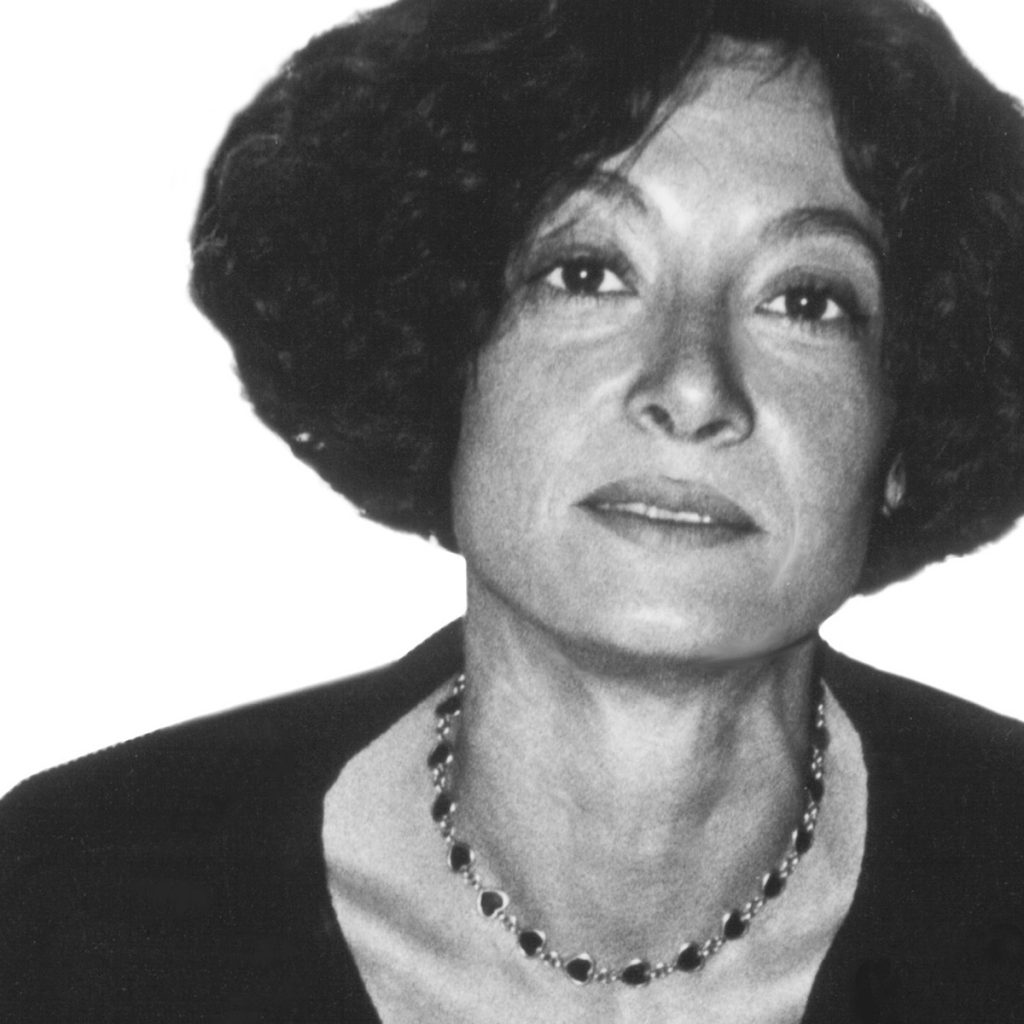
Gabriella Montaguti
Born in Milan, where she still lives and works, she graduates with a degree in Architecture from Politecnico di Milano. She completes her education by working at Mazzucconi architecture studio, where she is involved in architectural planning and design. In the eighties she begins freelancing in the furniture and lighting sector, and then goes on to establish the advertising agency Reclame, expanding her field of work to advertising and corporate identity. For Rexite she designs Apprendista, a height adjustable table, selected at the 12th Biennial of Industrial Design in Ljubljana in 1988, as well as Gas, a small table with a gas piston, Honorable Mention at the XIX Compasso d’Oro, and Piano and Altopiano tables.
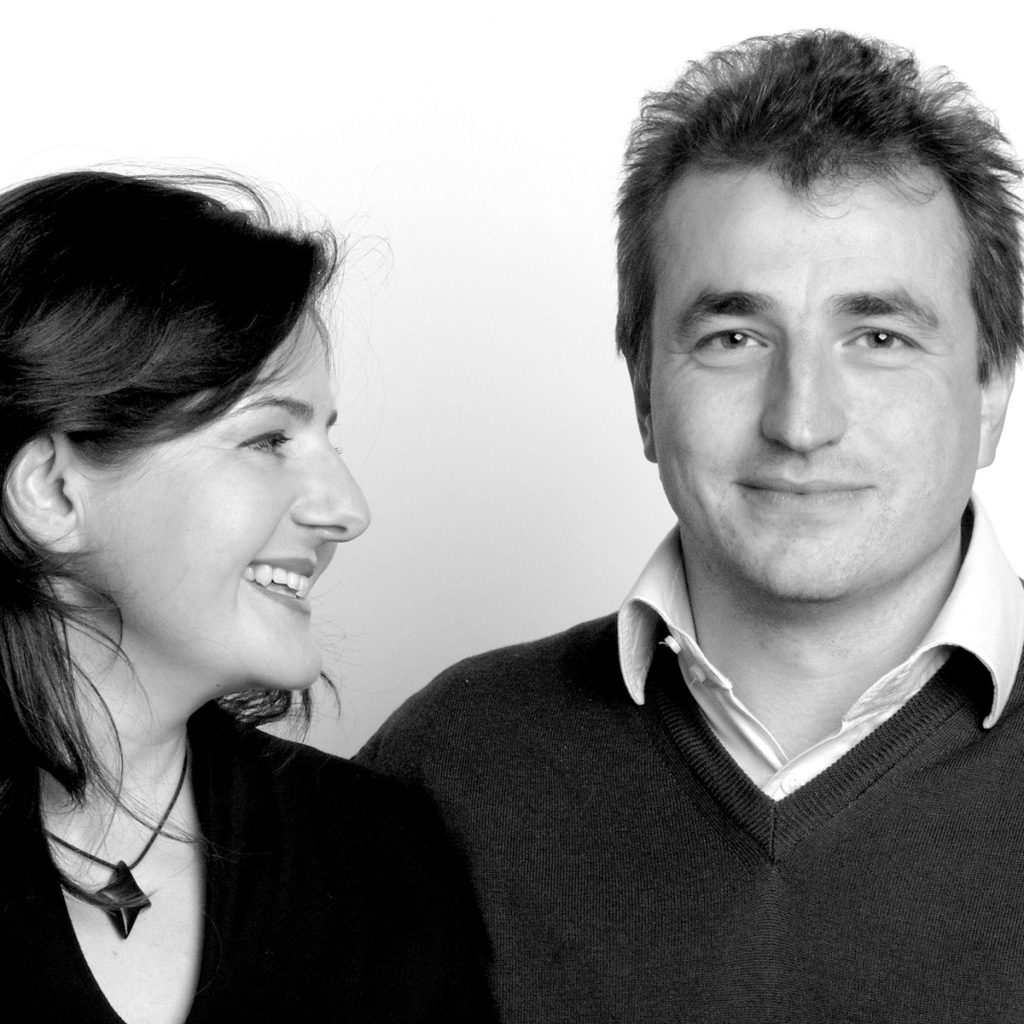
Alberto Basaglia – Natalia Rota Nodari
Born in 1969 in Varese and in 1970 in Bergamo respectively, the couple meets at the Architecture Faculty of Politecnico di Milano, from which they graduate with honours in 1995. In 1997 they establish the Basaglia e Rota Nodari Architetti architecture studio. They work in the fields of both architecture, industrial design and graphics. Their collaboration with Rexite begins in 2006 with the design of the Boox modular system, which wins the Good Design Award the following year and is later complemented with the Enrico X series of tables.
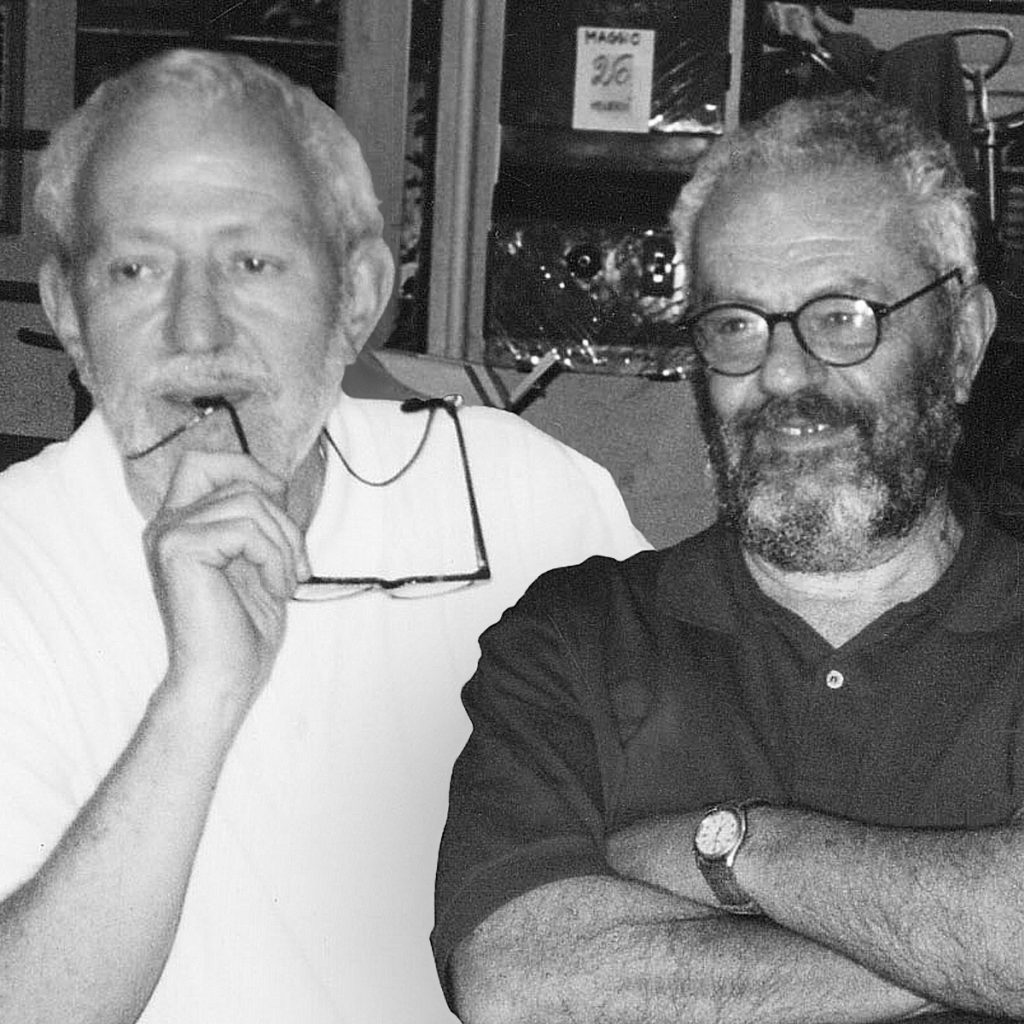
Studio D’Urbino – Lomazzi
Both born in the ’30s in Milan, architects Donato D’Urbino and Paolo Lomazzi begin to operate in 1966 together with Jonathan De Pas in the field of urban planning and design of architectures, exhibition settings and furniture. They combine their design activity with the commitment to ADI, becoming members of its Steering Council. In 1979 they win the Compasso d’Oro for the Sciangai coat stand. Their works can be found in the design collections of several national and international museums, such as the Triennale Design Museum in Milan, the MoMA in New York, the Victoria & Albert Museum in London and the Centre Pompidou in Paris.
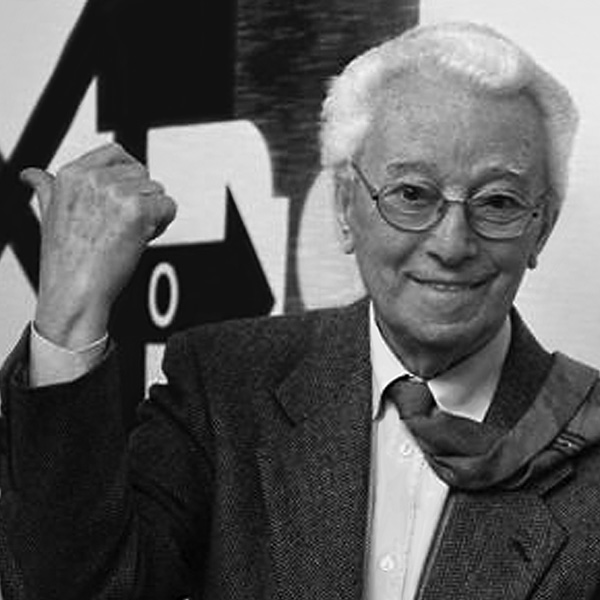
Bruno Munari
Born in 1907 in Milan, designer, painter and author of several books dedicated to children’s education, he begins his career with Marinetti and the Futurist movement. In 1929 he opens a studio with Riccardo Ricas Castagnedi, with whom the following year he creates the Air Machine, considered the first “mobile” in art history. In 1977 he creates, at the Pinacoteca di Brera in Milan, the first workshop for children in a museum. Bruno Munari, for his extensive activity in the field of literature, education and art, receives many awards, including three Compasso d’Oro (in 1979 for the multifunctional bed Abitacolo) and in 1995 the Compasso d’Oro career award. Munari signs his latest work at the age of 90, a year before passing away in 1998.
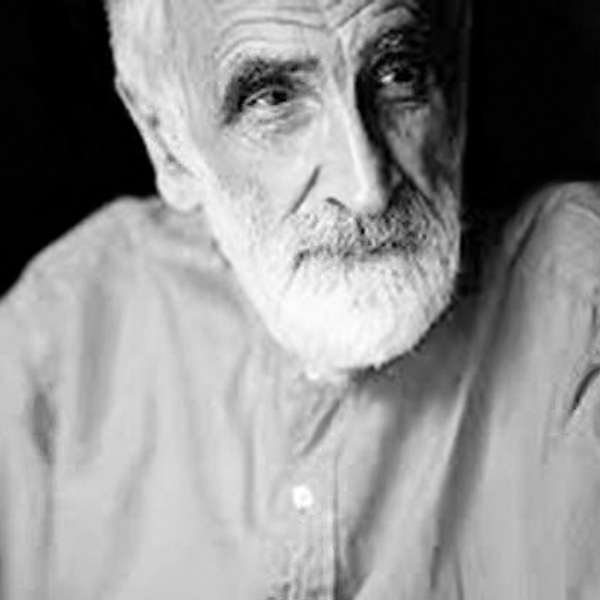
Enzo Mari
Born in 1932 in Novara, after attending the Accademia di Brera in Milan, since 1957 he is actively committed to industrial design. Throughout his career he creates, for several Italian and foreign companies, over 1500 projects, many of which are part of the collections of museums around the world, including the MoMA in New York, the Galleria Nazionale d’Arte Moderna in Rome and the Triennale Design Museum in Milan. Enzo Mari is president of ADI from 1976 to 1979 and a consultant of the city of Milan for urban furnishing from 1980 to 1984. In 2002, the Politecnico di Milano confers him the Laurea Honoris Causa in Industrial Design. He wins over forty national and international awards, including four Compasso d’Oro (in 1979 for Delfina chair) and in 2011 the Compasso d’Oro career award.

Giotto Stoppino
Born in 1926 in Vigevano, in 1953 he establishes Studio Gregotti, Meneghetti and Stoppino Associated Architects with Vittorio Gregotti and Ludovico Meneghetti in Milan. In 1968 he opens his own independent studio, which operates in the fields of architecture, furniture and design. President of ADI from 1982 to 1984, in 1983 he is also President of ICSID International Congress in Milan. As a designer he works with the most important Italian and foreign companies in the industry, winning prestigious awards, including two Compasso d’Oro in 1979 and 1991. During his collaboration with Rexite he creates Birillo, a family of products composed by waste baskets, umbrella stands and floor ashtrays, awarded the 17th SMAU Industrial Design Award in 1984. Giotto Stoppino passes away in 2011.

Julian Brown
Born in 1955 in Northampton, England, he graduates with a degree in Industrial Design in 1978 and begins his career at the studio of David Carter Associates, later earning a Master’s degree in Industrial Design at the Royal College of Art in London. He then works at the Porsche Design studio in Zell am See, Austria, a job he leaves in 1986 to establish Lovegrove and Brown Design Studio with Ross Lovegrove in London. In 1990 he opens his own studio. His collaboration with Rexite gives birth to several multi-award-winning objects, such as the Vercingetorige alarm clock, the Attila can-crusher, the Hannibal tape dispenser and the Standard desk set. Julian Brown collaborates with many companies in Europe and Japan and currently lives and works in Bristol, England.

Kuno Prey
Born in 1958 in San Candido, in the Dolomites, he graduates with a degree in Applied Arts and begins working in the industrial world, doing research on materials and new technologies. In 1981 he opens a studio in San Candido and attends the International Course of Specialization in Design in Naples, where he has the chance to meet the masters Ettore Sottsass and Gaetano Pesce. He then completes his training at the Domus Academy in Milan. Next, he moves to Weimar, Germany, where he teaches Product Design at Bauhaus University, continuing his work as a designer and creating projects for very well-known Italian and foreign companies, which earn him several international awards. He is the Dean of the Faculty of Design and Art of Free University of Bozen from 2002 to 2010.
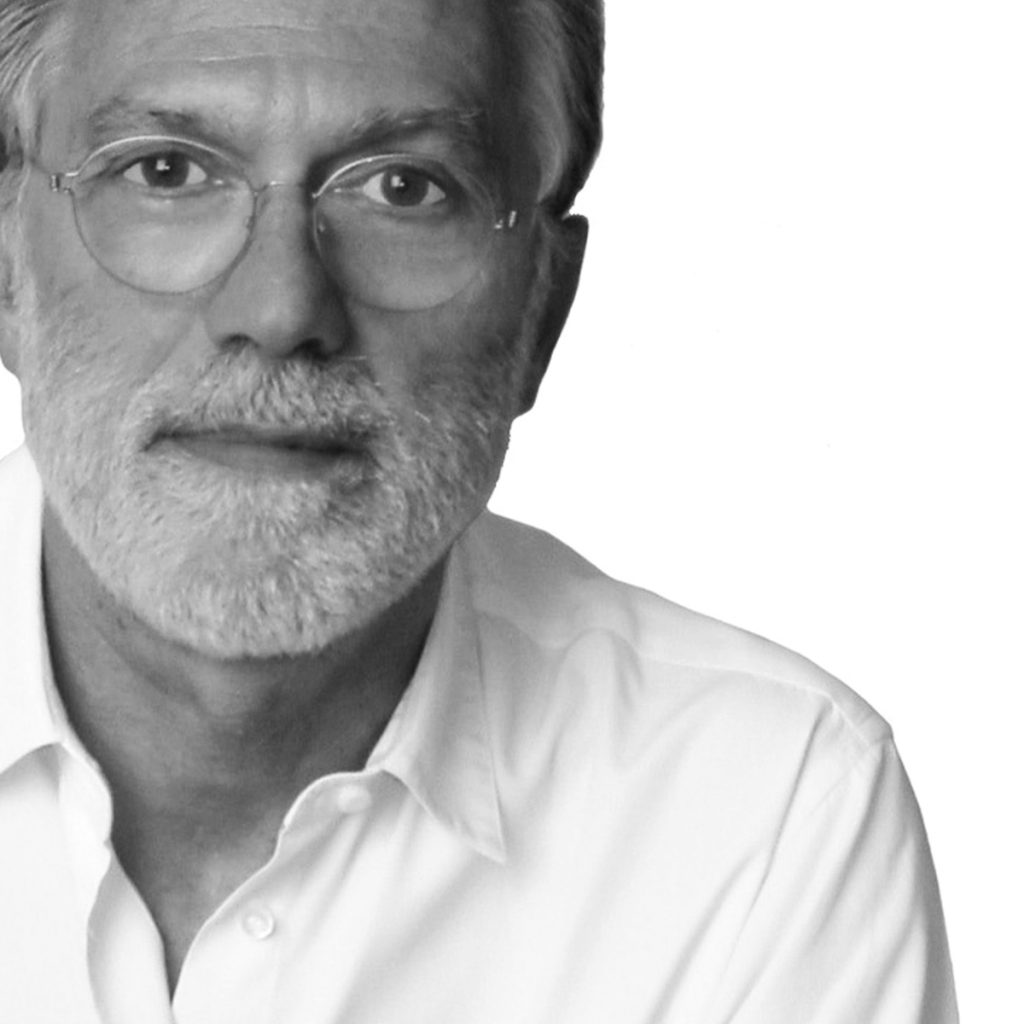
Raul Barbieri
Born in 1946 in Milan, he graduates with a degree in Architecture from Politecnico di Milano in 1972. While at university he works with Olivetti’s industrial design department directed by Ettore Sottsass, where he meets Giorgio Marianelli, with whom he establishes the Barbieri e Marianelli Architetti studio in Milan in 1974. In 1989 he opens his own architecture studio in Milan, where he still lives and works. He begins collaborating with Rexite in 1978 and increasingly becomes a prolific key player, eventually taking on the role as the company’s art director. Coordinator of the ADI Designers Department for a long-time, works with several Italian and foreign companies, and many of his projects are awarded at prestigious international design competitions.
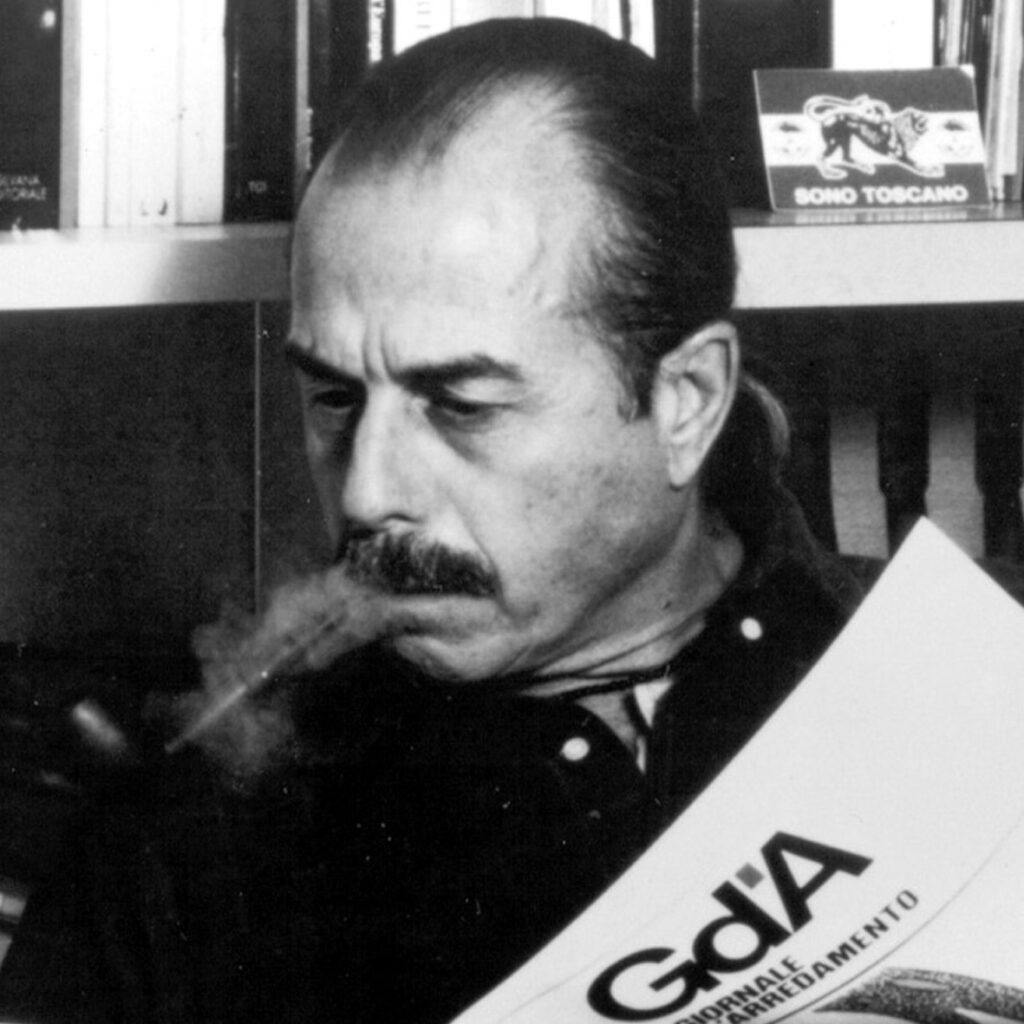
Giorgio Marianelli
Born in 1939 in Castiglioncello in the province of Livorno, he graduated in Architecture at the Polytechnic of Milan, where he moved to in 1968 to work at the industrial design department of Olivetti run by Ettore Sottsass. There he met Raul Barbieri, with whom he founded the Barbieri and Marianelli Architecture studio in Milan in 1974. In 1990, he opened his own independent architecture and industrial design studio, which in 1995 became Marianelli Design. He worked with some of the best known design companies, from Guzzini to Tronconi, Foppa Pedretti to Zucchetti Rubinetterie and many of his projects received important international awards. Giorgio Marianelli died in 1998.